How to watch VALORANT Champions Shanghai group stage like a pro analyst
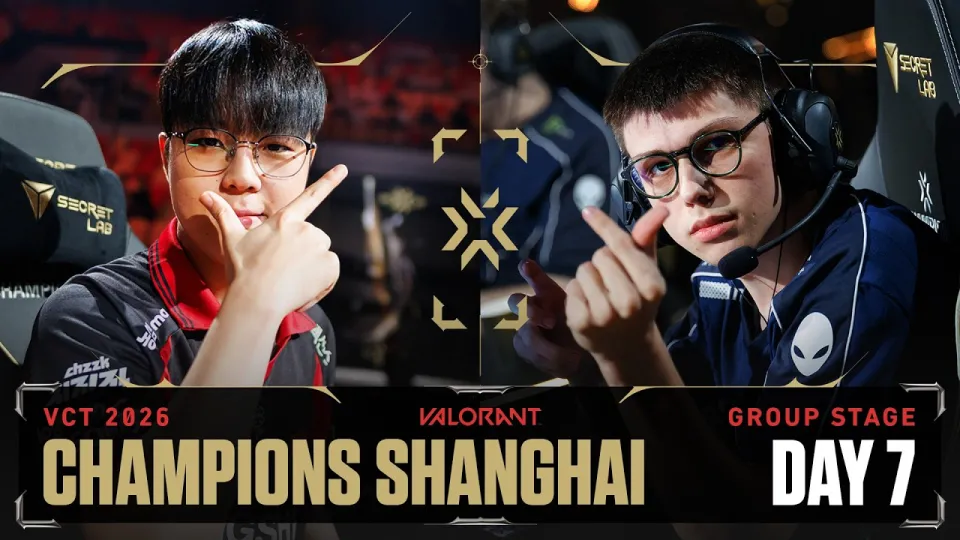
Video: VALORANT Champions Shanghai — Group Stage — Day 7
Need articles like this for your video? They help promote it on YouTube and Google — order them in the Telegram bot @sat_sit_bot. It writes articles around your video, embeds the video and publishes them on popular niche websites (no ads). Your first 50 articles are free.
· based on the channel VALORANT Champions Tour
VALORANT Champions Shanghai is the 2026 world championship, and its group stage is where 16 teams from Americas, CN, EMEA and Pacific fight for a place in the playoff bracket. To follow it properly, track the schedule, understand the format, and use the official channels — starting with the official VALORANT Esports updates on X — so you see results and bracket implications as they happen rather than hours later.
The event runs from September 24 to October 18, and Day 7 of the group stage is the session captured in the VOD published by the VALORANT Champions Tour channel. That broadcast is the cleanest reference for how the mid-group meta looks: which agents get priority on each map, how teams spend their pauses, and which regions are converting early leads into closers.
What the VALORANT Champions Shanghai group stage actually decides
The group stage is a filter, not a final: it sorts sixteen invited teams into the playoff bracket and eliminates the rest before the trophy rounds. Four regions — Americas, CN, EMEA and Pacific — send their qualified squads, so every group is a cross-region stress test rather than a regional rematch. Because the field is small, a single lost map against a lower seed can decide tiebreakers, which is why group-stage days matter more than their billing suggests.
Practically, that means three things for a viewer:
- Watch the standings, not just the scoreline — map differential is usually what separates third from fourth.
- Note which team picks which map; veto patterns in groups rarely survive into playoffs unchanged.
- Track pistol and eco rounds. In best-of-three group series, those rounds decide more maps than highlight plays do.
Why Day 7 of the group stage is worth rewatching
Day 7 sits at the point where group narratives harden: teams that started 2-0 are protecting seeding, and teams at 0-2 are playing elimination-adjacent series. The VOD from the VALORANT Champions Tour channel shows that pressure directly — slower defaults, more conservative utility usage, and longer pauses between rounds.
Rewatching a full broadcast day is also the fastest way to learn pro-level habits without a coach. Pause on buy phases and note how many credits each side commits to rifles versus utility; then compare with the next map. You will see that the teams advancing out of groups are usually the ones who lose the fewest anti-eco rounds, not the ones with the flashiest entries.
The tech pause problem and what it says about the broadcast
The most repeated complaint under the Day 7 broadcast is the number of technical pauses, and it is a fair observation rather than trolling. Long tournaments run on LAN infrastructure with player hardware, stage audio and observer tools all chained together, so a single failing peripheral or observer crash can stop a map for minutes.
For viewers, the useful takeaway is procedural:
- Treat pauses as dead air, not as analysis — casters rarely have full information during them.
- Use the downtime to check the bracket and standings on the official channels instead of refreshing chat.
- Expect the published VOD to be edited; timestamps in the comments shift when pauses are trimmed.
None of this excuses a rough broadcast, but it does explain why a group-stage day can run long past its scheduled block.
Reading the CN region debate without the noise
The harshest comments on the Day 7 VOD target the Chinese teams: lost eco rounds, thrown 5v2s, and utility usage that collapses once set plays break down. That criticism is worth separating into two parts — execution and structure.
Execution errors are visible and fixable: a 5v2 loss is usually a communication failure, not a skill gap. Structure is the deeper issue. When a team's default relies on scripted utility chains, an opponent who disrupts the first contact forces improvisation, and improvised rounds are where CN squads have looked least comfortable in this event.
The counterargument also deserves airtime: the region's depth is real, and there are strong teams outside the qualified pool. A single group stage is a small sample, and international LAN experience compounds slowly. The honest read is that CN teams are not short on aim — they are short on reps against the specific pressure of a world championship bracket.
How to follow the rest of the group stage and the playoffs
The official VALORANT Esports channels are the fastest source for schedule changes, bracket updates and post-match interviews. If you want live matches rather than VODs, the broadcast runs on Twitch and YouTube; if you want clips and announcements, the short-form accounts post first.
A workable routine for the remaining days:
- Check the day's schedule and standings before the first map.
- Watch one series live and one as a VOD, so you get both the tension and the ability to rewind utility setups.
- Note the map veto for each playoff-bound team; that is where upsets start.
- Keep an eye on which Masters winners from earlier in 2026 look vulnerable — the event description frames Shanghai as the moment a new generation of challengers arrives, and group-stage form is the first real evidence.
Useful links
- Official updates and announcements: https://x.com/valorantesports
- Facebook: https://www.facebook.com/ValorantEsports/
- Instagram: https://www.instagram.com/valorantesports/
- TikTok: https://www.tiktok.com/@valorantesports
- Twitch: https://www.twitch.tv/valorant
- Event news and brackets: https://www.valorantesports.com/news
The bottom line on VALORANT Champions Shanghai
The group stage is where a world championship becomes legible: seeding, map pools and regional strength all get tested before the bracket locks. Day 7 shows the tournament at its most attritional, with technical interruptions and eco-round swings deciding more than flashy entries. Watch the standings and the vetoes, not just the highlight reel, and the playoff picture will make sense before the first bracket match. The full broadcast is available from the VALORANT Champions Tour channel, and following the official VALORANT Esports account on X is the simplest way to catch schedule changes and bracket news as they drop.
Key takeaways
- VALORANT Champions Shanghai runs September 24 to October 18 with 16 teams from Americas, CN, EMEA and Pacific.
- Day 7 of the group stage is the VOD published by the VALORANT Champions Tour channel.
- Two different teams won Masters events in 2026 before Shanghai, per the event description.
- Group stage decides which squads reach the playoff bracket for the world title.
- Viewers flagged repeated tech pauses and CN region form as the main talking points.
Questions & answers
How many teams play in the VALORANT Champions Shanghai group stage?
Sixteen teams qualify from four regions: Americas, CN, EMEA and Pacific. They compete across the group stage from September 24 to October 18, with the survivors moving into the playoff bracket to contest the world title.
Why were there so many technical pauses during the Day 7 broadcast?
LAN broadcasts chain together player peripherals, stage audio and observer tools, so one failing component can halt a map for several minutes. The pauses are a production issue rather than a gameplay one, and the published VOD is usually trimmed, which is why viewer timestamps drift.
Are the Chinese teams really the weakest region at Champions?
The criticism focuses on execution under pressure — lost eco rounds and broken 5v2s — rather than raw aim. CN squads have looked strongest in scripted setups and least comfortable when a round breaks down, but a single group stage is a small sample against teams with far more international LAN reps.
Where can I watch the group stage matches live instead of the VOD?
Live matches air on the official Twitch and YouTube channels, with clips and announcements posted on X, Instagram and TikTok. The event news page carries bracket updates, and the VALORANT Champions Tour channel publishes full-day VODs after each session.
Source: VALORANT Champions Shanghai — Group Stage — Day 7 · Markdown version